
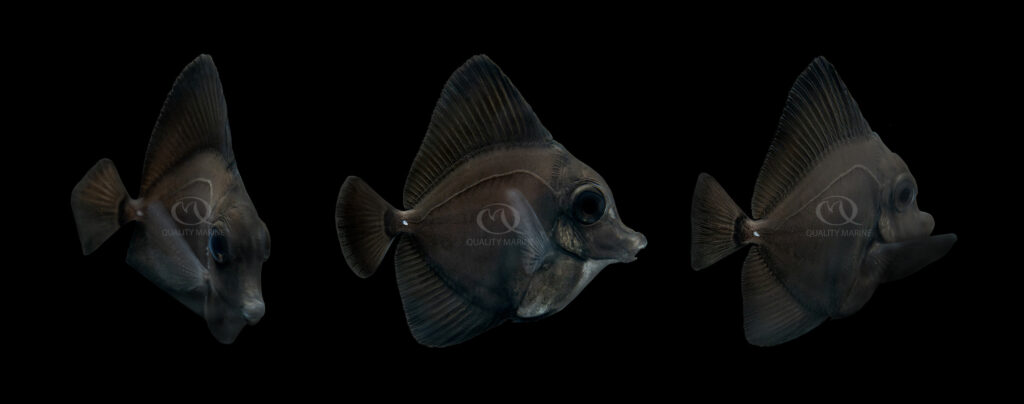
via Quality Marine/QM Labs
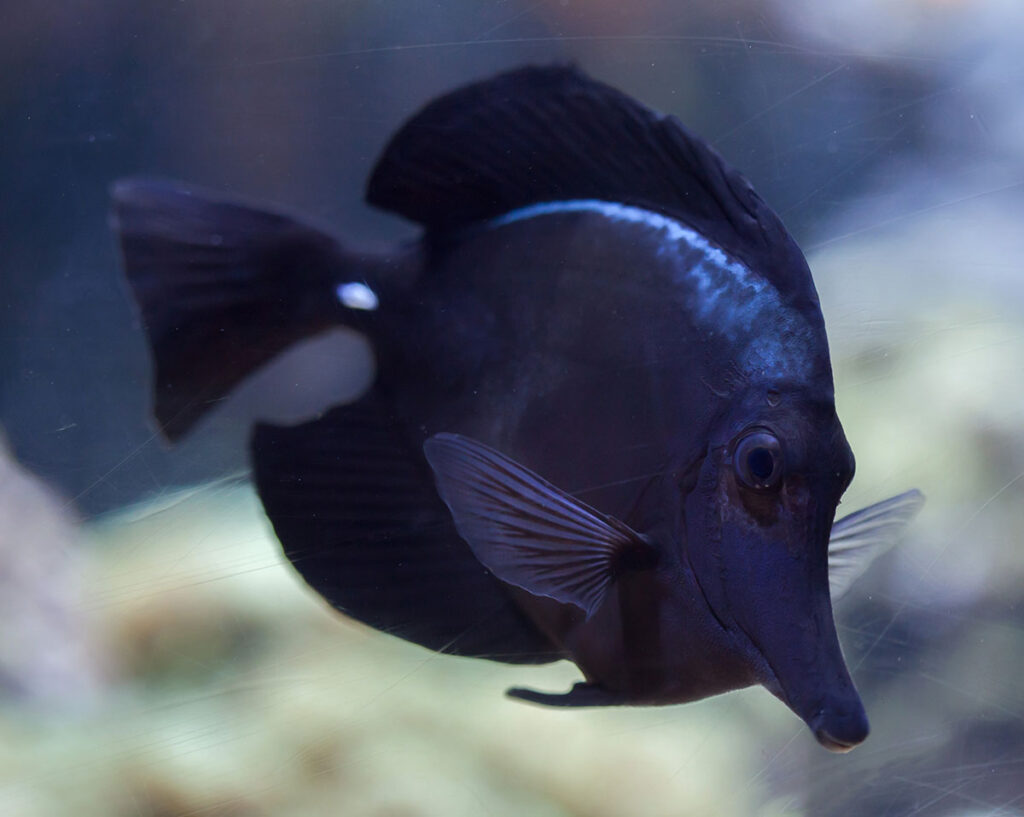
Quality Marine is proud to announce a landmark achievement in marine ornamental aquaculture: the successful culture of the world’s first Black Longnose Tang (Zebrasoma rostratum) at its QM Labs Aquaculture Facility in Los Angeles, California.
This breakthrough reflects Quality Marine’s long-standing commitment to sustainability, innovation, and the responsible advancement of the marine aquarium industry. As aquaculture continues to grow alongside responsibly managed wild collection, both remain essential to the future of the hobby and the preservation of marine ecosystems worldwide.
“The successful culture of the Black Longnose Tang is another important step forward for marine ornamental aquaculture and a meaningful reflection of our long-term commitment to sustainability, innovation, and the future of the aquarium industry,” said Christopher Buerner, Quality Marine President. “We are proud of the work being done by our QM Labs team and remain focused on expanding what is possible through responsible aquaculture.”
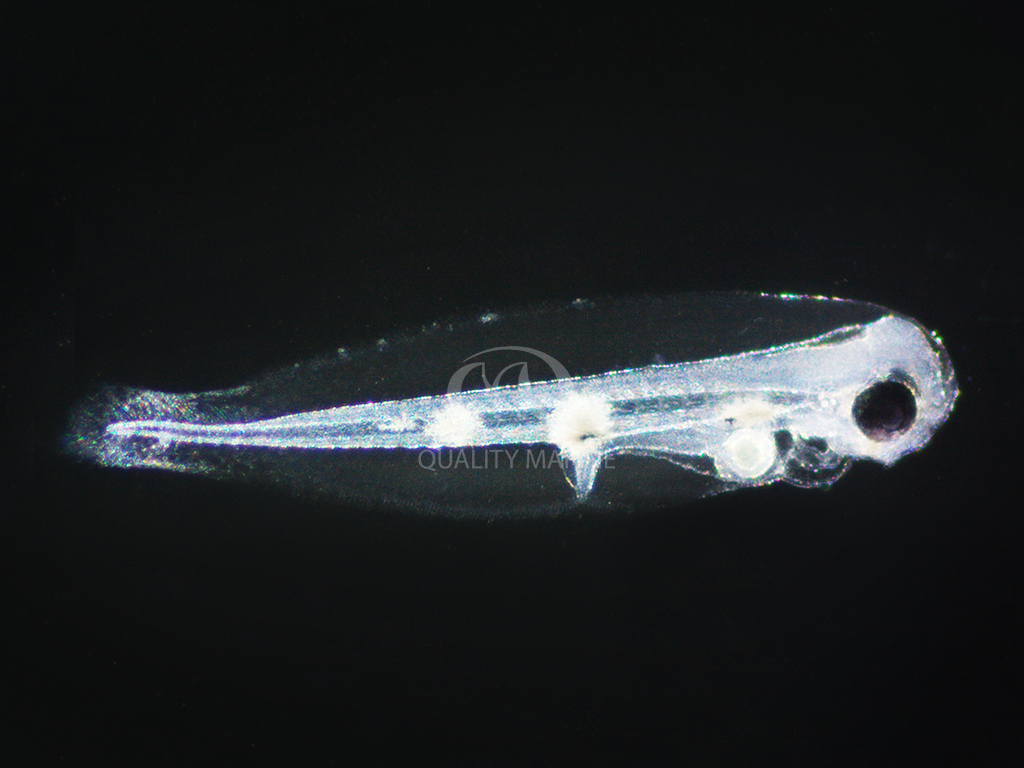
Bred and raised entirely at Quality Marine’s cutting-edge QM Labs facility, these Black Longnose Tangs mark a bold advancement in sustainable marine aquaculture for the aquarium trade. From their earliest larval stages, our team has carefully monitored their health, growth, and nutrition, producing fish with exceptional resilience, strong feeding responses, and outstanding adaptability.
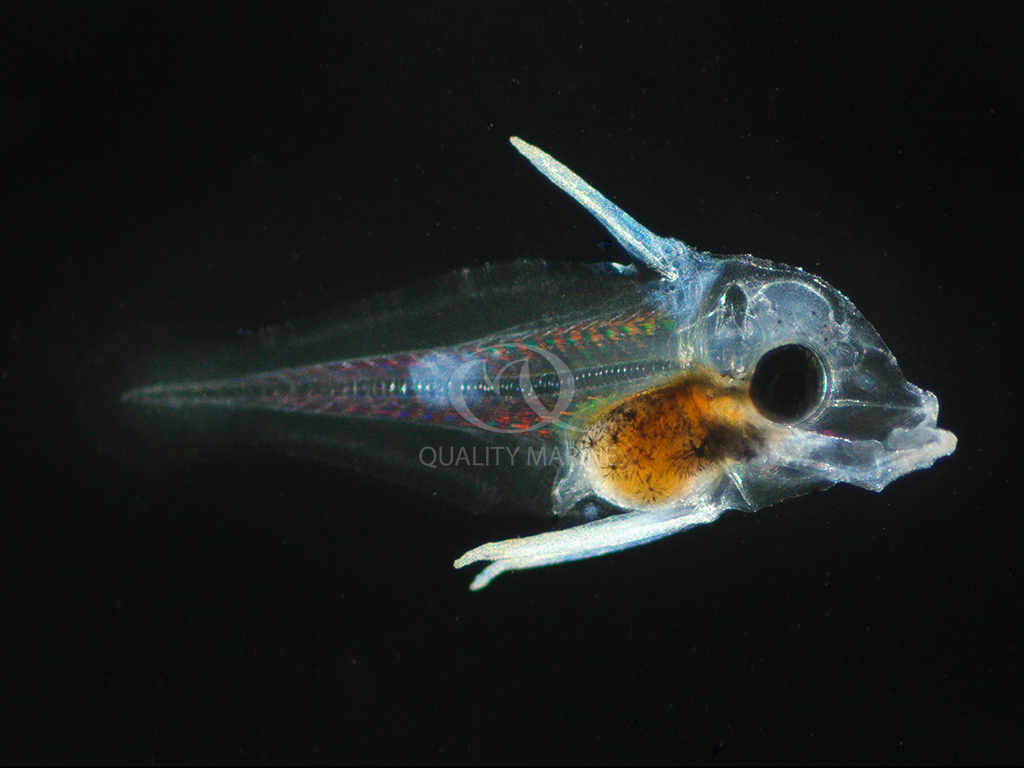
Raised first on Nutramar live diets and smoothly transitioned to Nutramar dry foods, these tangs readily accept Nutramar Marine Algae & Color Boost Pellets, Nutramar Marine Complete Crumbles, and Nutramar Nori Sheets. The result is a well-conditioned fish, ready for long-term success in home aquariums.
Renowned for their striking black coloration and rarity in the hobby, Black Longnose Tangs are among the most sought-after species in the marine aquarium trade. Native to the Eastern Central Pacific, including the waters surrounding the Line Islands, Marquesas Islands, Society Islands, and Tuamotu Archipelago to Pitcairn Islands, they inhabit reef and lagoon environments at depths ranging from approximately 26 to more than 115 feet (8 to 35 meters), where they graze primarily on benthic algae. Infrequently available in the trade most sustainably harvested Black Tangs are exported out of Tahiti in larger sizes, or seasonally and in very limited numbers out of Kiritimati (Christmas Islands) in the northern Line Islands.
Due to their active nature, Black Longnose Tangs require large, mature aquarium systems with ample swimming space and substantial rockwork for grazing and shelter. They are best suited for peaceful community or species-focused aquariums with stable, pristine water conditions. An herbivorous diet rich in marine algae, supplemented with premium marine-based prepared foods such as flakes, pellets, and nori, is essential for maintaining their health and coloration. Long-term success with this species also depends on excellent water quality, moderate to strong water movement, abundant grazing opportunities, and a low-stress environment.
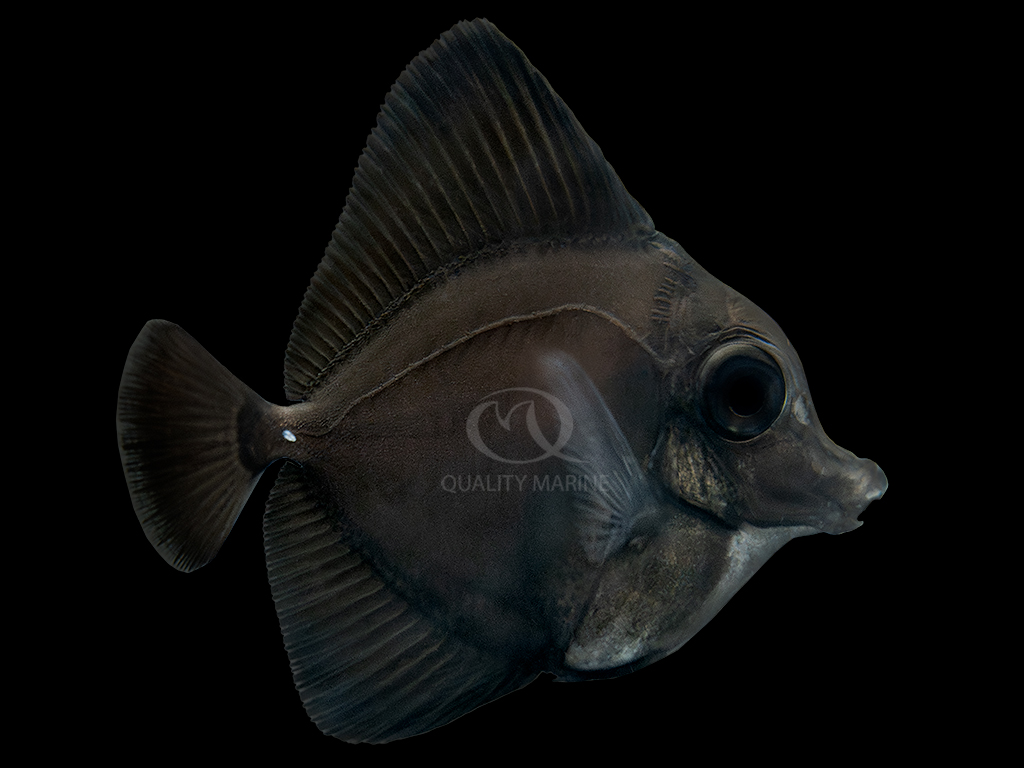
This accomplishment marks another significant milestone for QM Labs, which continues to expand its expertise in the culture of both demersal and pelagic marine species. While availability of these aquacultured Black Longnose Tangs will initially remain extremely limited, Quality Marine is committed to refining and scaling production methods to improve future availability.
At the same time, Quality Marine remains dedicated to supporting responsibly and sustainably collected wild Black Longnose Tangs, recognizing the importance of preserving natural populations while advancing aquaculture as a complementary, sustainable solution for the industry.
For decades, Quality Marine has been committed to supplying the aquarium trade with the highest-quality marine organisms while championing responsible and sustainable collection practices. Sustainably managed wild fisheries not only support marine conservation efforts but also provide vital economic support to the coastal communities that depend on them. Looking ahead, Quality Marine will continue to expand the capabilities of its QM Labs Aquaculture Facility through ongoing research, technological advancement, and the development of species not previously considered commercially viable in aquaculture.
###



Hi QM Staff
Great news!!!
Congratulations on this achievement, hope you continue with more species of tangs, and other dishes as well.
Cheers, cheers and cheers!!!
Best wishes….. Fernando